Best Divorce Support Resources Online in Connecticut | Finding Help During Your Divorce
Discover the best online divorce support resources for Connecticut residents. Find emotional support, community connections, and practical guidance during this difficult time.
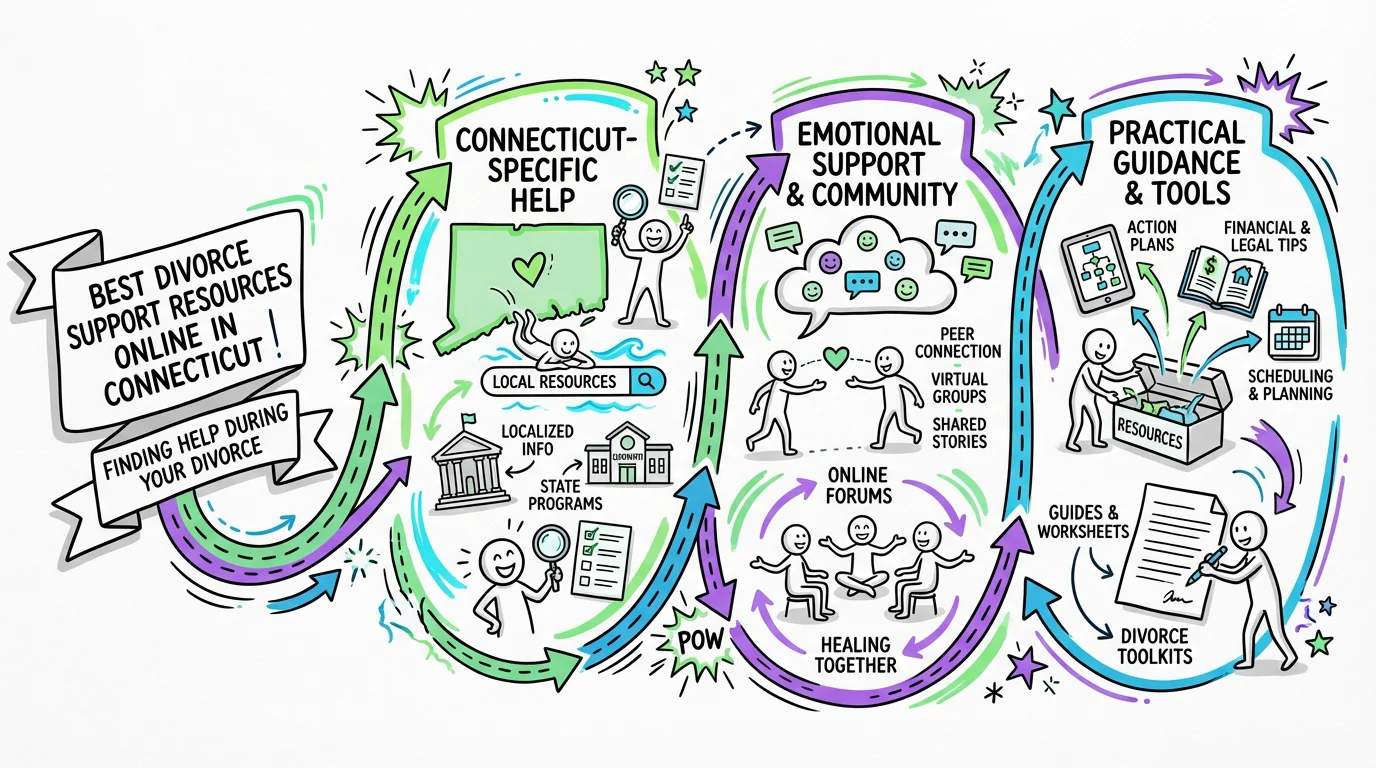
The best online divorce support resources combine emotional support communities, practical legal guidance, and tools that help you stay organized during an overwhelming time. For Connecticut residents navigating divorce, a combination of support groups (like DivorceCare and online forums), state-specific legal resources from the Connecticut Judicial Branch, and comprehensive planning tools like Untangle can provide the foundation you need to move forward with confidence and clarity.
Understanding Why Online Support Matters During Divorce
Divorce affects every aspect of your life—your emotions, finances, living situation, and family relationships. It's completely normal to feel overwhelmed, and seeking support isn't a sign of weakness; it's a sign of wisdom. Online resources offer unique advantages: they're available 24/7 when anxiety strikes at 2 AM, they provide anonymity when you're not ready to share with friends and family, and they connect you with others who truly understand what you're experiencing.
Connecticut residents face specific challenges, from understanding the state's equitable distribution laws to navigating the court system in their local judicial district. For instant answers to complex legal questions specific to Connecticut law, consider Untangle's AI legal guidance. The best support resources address both the universal emotional journey of divorce and the practical, Connecticut-specific steps you'll need to take. Whether you're just considering divorce or already deep in the process, building a support network—even a virtual one—can make a profound difference in how you cope and heal.
Many people going through divorce report feeling isolated, even when surrounded by well-meaning friends and family. Online communities provide a space where you can connect with people at various stages of the divorce process, learn from those who've been through it, and eventually offer support to those just beginning their journey.
Types of Online Divorce Support Resources
Emotional Support Communities and Forums
Online support groups provide invaluable peer connection during divorce. DivorceCare offers local groups throughout Connecticut along with online resources, combining faith-based support with practical divorce recovery tools. Reddit communities like r/divorce and r/divorceformen (or r/divorcedmoms) offer anonymous spaces to share experiences, ask questions, and receive support from thousands of people who understand exactly what you're going through.
Facebook groups dedicated to divorce support range from general communities to Connecticut-specific groups where you can find local recommendations and connect with others navigating the same court system. These communities are particularly helpful for processing emotions, getting reality checks, and remembering that you're not alone in this experience. When participating in online communities, remember that while peer support is invaluable, the advice you receive comes from non-professionals.
Professional Counseling and Therapy Resources
Online therapy platforms like BetterHelp, Talkspace, and Cerebral make professional mental health support accessible from your home. Many therapists on these platforms specialize in divorce and relationship transitions. Under C.G.S. § 46b-53, Connecticut law recognizes the value of conciliation and counseling, allowing either party to request consultation to explore the possibility of reconciliation or to help resolve differences amicably.
Individual therapy during divorce helps you process grief, manage anxiety, and develop coping strategies. If you have children, family therapy can help them adjust to changes, while co-parenting counseling can improve communication with your soon-to-be ex-spouse. Many Connecticut residents find that a combination of peer support communities and professional counseling provides the most comprehensive emotional support.
Connecticut-Specific Legal Resources
The Connecticut Judicial Branch website provides essential information about divorce procedures, required forms, and court locations. Understanding your legal rights—such as the requirements of Practice Book § 25-5 regarding Automatic Orders that freeze assets upon filing—reduces anxiety and helps you make informed decisions. Connecticut offers both contested and uncontested divorce paths, and knowing which applies to your situation helps you plan appropriately.
Connecticut Legal Services provides free legal assistance to qualifying residents, while the Statewide Legal Services hotline can help you understand your options. Local bar associations often offer lawyer referral services and low-cost legal consultations. Tools like Untangle's asset and debt disclosure features help you gather and manage the financial information required for Connecticut divorces, reducing stress and ensuring you're prepared for each step of the process.
Finding the Right Support for Your Stage
| Stage of Divorce | Primary Needs | Recommended Resources |
|---|---|---|
| Considering Divorce | Information gathering, emotional processing | Online forums, individual therapy, legal consultations |
| Early Process | Organization, understanding requirements | Untangle planning tools, CT Judicial Branch resources, support groups |
| Active Proceedings | Stress management, practical guidance | Therapy, peer communities, legal support |
| Post-Divorce | Healing, rebuilding, co-parenting | DivorceCare, therapy, new chapter communities |
Early Stage: Considering Divorce
If you're still deciding whether divorce is the right path, focus on resources that help you explore your feelings and understand your options without pressure. Individual therapy can help you gain clarity, while informational resources about Connecticut divorce law help you understand what the process would actually look like. This is also a good time to start quietly organizing financial documents and understanding your household's complete financial picture.
Untangle's free AI consultation helps you think through important considerations and begin organizing information at your own pace, whether you ultimately decide to proceed with divorce or not. Having clarity about your situation empowers you to make the best decision for yourself and your family.
During Active Divorce Proceedings
Once you've filed for divorce, your needs shift to managing stress while handling practical requirements. Support groups become especially valuable as you process the roller coaster of emotions that come with active proceedings. The combination of community support and professional therapy helps you maintain emotional stability while making important decisions about your future.
This is when organizational tools become essential. Connecticut divorces require financial affidavits, asset documentation, and potentially parenting plans. Untangle's expense tracking helps you stay on top of financial requirements without feeling overwhelmed by the administrative burden.
Post-Divorce: Rebuilding and Healing
After your divorce is finalized, the work of healing continues. Many people find that the emotional impact hits hardest after the legal process ends and the reality of their new life sets in. Post-divorce support groups, whether in-person or online, help you navigate this transition. Topics shift from legal proceedings to practical matters like co-parenting, dating again, and building your new identity.
This stage is also when you implement the financial agreements from your divorce. Budgeting tools and financial planning resources help you adjust to a single-income household or manage newly separate finances.
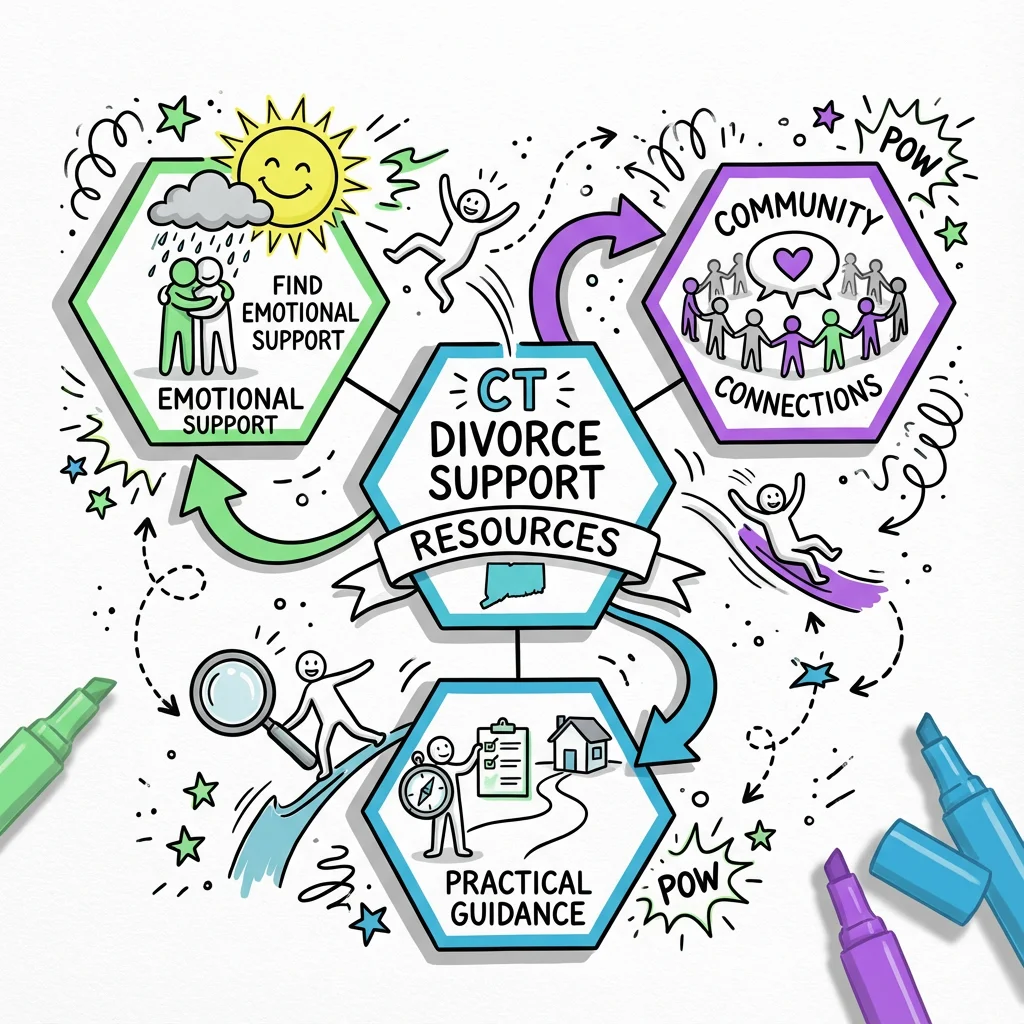
Building Your Personal Support Network
Steps to Create Your Support System
- Assess your current needs - Identify whether you most need emotional support, practical guidance, or both. Your needs will change throughout the process, so revisit this assessment regularly.
- Choose one online community - Start with one forum or group rather than joining many. This allows you to build genuine connections and prevents information overload.
- Consider professional support - If you're struggling with anxiety, depression, or simply need a neutral space to process, research therapy options that fit your budget and schedule.
- Identify trusted friends or family - Even one or two people you can call when things get hard makes a difference. Let them know specifically how they can help.
- Gather organizational tools - Reduce overwhelm by using specialized tools to keep your documentation, calendar, and communications in one secure place.
- Set boundaries - Decide what you're willing to share publicly and what you want to keep private. Online communities work best when you feel comfortable with your level of disclosure.
Self-Care Resources for Divorce
Beyond support communities and professional help, invest in resources that support your overall well-being. Meditation apps like Headspace and Calm offer divorce-specific content. Exercise communities—even virtual ones—provide stress relief and social connection. Journaling apps help you process emotions privately. Sleep and nutrition support becomes especially important when stress impacts your physical health.
Remember that caring for yourself isn't selfish—it's necessary. You can't make good decisions for your future or be present for your children if you're running on empty.
When Free Resources Aren't Enough
While free online resources provide valuable support, recognize when you need more comprehensive help. Signs that you might benefit from professional legal assistance include complex assets, business ownership, disagreements about custody, or situations involving domestic violence. For immediate protection, Connecticut law provides for relief from abuse through restraining orders under C.G.S. § 46b-15.
If you're struggling emotionally, professional therapy offers more than peer support can provide. Persistent depression, difficulty functioning at work or as a parent, or thoughts of self-harm are signals to seek professional help immediately. The 988 Suicide and Crisis Lifeline is available 24/7 for anyone in crisis. For many Connecticut residents, a combination of resources works best: online communities for daily support, professional therapy for emotional work, and organizational tools to guide you through the process.
Frequently Asked Questions
Are there free online divorce support groups for Connecticut residents?
Yes, DivorceCare offers free or low-cost support groups with both in-person meetings throughout Connecticut and online options, along with free forums like Reddit's r/divorce community.
What are the best divorce podcasts for emotional healing?
Popular divorce podcasts include "Divorce and Other Things You Can Handle," "The Divorce Survival Guide," and "Over It and On With It," which offer expert advice and personal stories to help with emotional recovery.
Can I use online therapy platforms during my Connecticut divorce?
Yes, platforms like BetterHelp, Talkspace, and Regain offer licensed therapists who specialize in divorce and relationship issues, with flexible scheduling that works around Connecticut court dates and parenting time.
What apps can help me stay organized during divorce in CT?
Apps like Untangle help you organize divorce-related documents, track expenses, and manage tasks, while co-parenting apps like OurFamilyWizard can help coordinate schedules if you have children.
Where can I find free Connecticut-specific divorce legal resources online?
The Connecticut Judicial Branch website (jud.ct.gov) offers free forms, self-help guides, and information about equitable distribution laws specific to CT divorce proceedings.
Legal Citations
- • C.G.S. § 46b-53 View Source
- • Practice Book § 25-5 View Source
- • C.G.S. § 46b-15 View Source