Best Divorce Support Resources Online in Connecticut | Emotional & Legal Help
Find the best online divorce support resources in Connecticut including emotional support groups, legal guidance, and practical tools to help you through this difficult time.
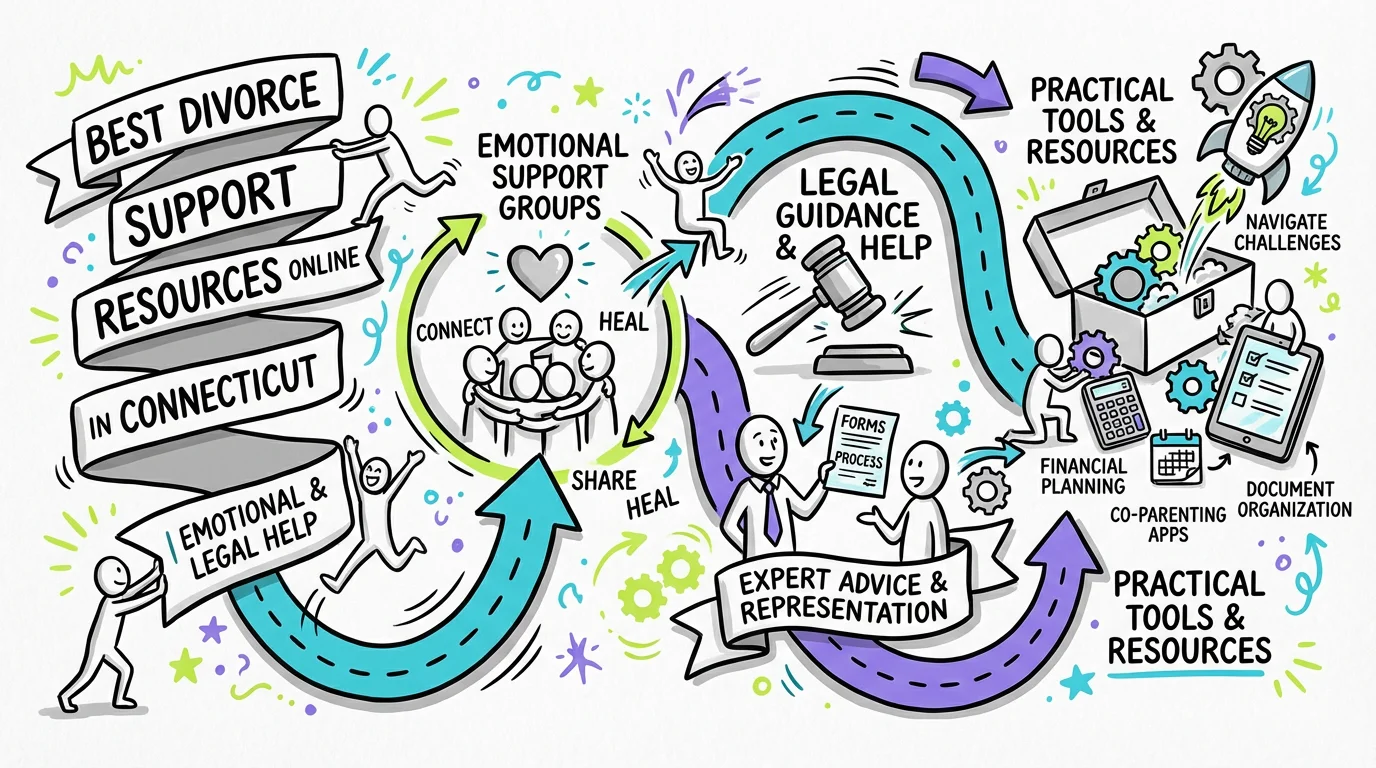
The best online divorce support resources in Connecticut include the Connecticut Judicial Branch's self-help center, DivorceCare support groups with local CT chapters, the Connecticut Bar Association's lawyer referral service, and digital case management tools that help you organize your divorce while providing guidance every step of the way. Whether you need emotional support, legal information, or practical help managing the divorce process, Connecticut residents have access to numerous online resources that can make this overwhelming time more manageable.
Understanding Your Support Needs During Divorce
Going through a divorce is one of life's most challenging experiences, and it's completely normal to feel overwhelmed. You're not just ending a marriage—you're navigating legal procedures, financial decisions, co-parenting arrangements, and profound emotional changes all at once. Recognizing that you need support is actually a sign of strength, not weakness.
Different people need different types of support at different stages of their divorce journey. Some days you might need someone to listen while you process difficult emotions. Other times, you might need concrete answers about Connecticut divorce procedures or help understanding what documents you need to gather. The key is building a network of resources that addresses all these needs, so you're never facing any aspect of this process alone.
Many Connecticut residents find that combining emotional support communities with practical organizational tools provides the most comprehensive help. While a support group can validate your feelings and offer perspective from others who understand, tools like a personalized task dashboard can reduce anxiety by breaking down the legal process into manageable steps and helping you stay organized throughout your case.
Emotional Support Resources for Connecticut Residents
Online Support Groups and Communities
Finding people who truly understand what you're going through can be transformative during divorce. DivorceCare is a nationwide network that offers both in-person and online support groups, with multiple chapters throughout Connecticut. These 13-week programs cover essential topics including:
- Dealing with anger and loneliness
- Financial survival strategies
- Co-parenting challenges and solutions
Online forums and communities dedicated to divorce support have grown significantly, offering 24/7 access to others navigating similar experiences. Platforms like Reddit's r/Divorce community provide anonymous spaces to share experiences and receive encouragement. While these communities aren't Connecticut-specific, they offer valuable emotional support and perspectives from people at various stages of the divorce process.
For those preferring structured professional support, many Connecticut therapists now offer online sessions specializing in divorce and separation. Psychology Today's therapist directory allows you to filter for Connecticut providers who offer telehealth services and specialize in divorce-related issues like grief, anxiety, and life transitions.
Mental Health and Counseling Resources
The emotional toll of divorce shouldn't be underestimated, and professional mental health support can be invaluable. Connecticut's 211 helpline (dial 2-1-1 or visit 211ct.org) connects residents with local mental health services, including sliding-scale counseling options for those concerned about costs.
Many people going through divorce experience symptoms of anxiety, depression, or grief that benefit from professional attention. Online therapy platforms like BetterHelp and Talkspace offer Connecticut-licensed therapists who can provide flexible, accessible support. Some Connecticut employers also offer Employee Assistance Programs (EAPs) that include free counseling sessions—check with your HR department if you're currently employed.
Remember that seeking mental health support during divorce isn't just about surviving this difficult time—it's about developing coping skills and emotional clarity that will serve you throughout the process and beyond. Being emotionally grounded helps you make better decisions about everything from settlement negotiations to co-parenting arrangements.
Legal Information and Self-Help Resources
Connecticut Judicial Branch Resources
The Connecticut Judicial Branch website offers extensive self-help resources for people navigating divorce without full legal representation. Their online forms portal provides access to all the standard divorce documents, including:
- Dissolution of marriage applications
- Financial affidavits and worksheets
- Parenting plan templates
The CT Judicial Branch also provides informational videos and written guides explaining divorce procedures, from filing requirements to what to expect at court hearings. While these resources can't replace legal advice for complex situations, they provide foundational knowledge about Connecticut's divorce process, residency requirements, and court procedures. If you have specific legal questions about Connecticut's divorce process or need clarity on procedures, AI legal guidance can provide instant, personalized answers.
Understanding the legal framework helps reduce anxiety because you know what to expect. Connecticut is a no-fault divorce state pursuant to C.G.S. § 46b-40(c), meaning neither spouse needs to prove the other did something wrong—you simply need to establish that the marriage has broken down irretrievably. The state also requires a 90-day waiting period for divorces with minor children as outlined in C.G.S. § 46b-67, which gives you time to prepare and gather necessary documentation.
Legal Aid and Low-Cost Legal Services
For Connecticut residents with limited income, several organizations provide free or reduced-cost legal assistance. Connecticut Legal Services (CLS) and Greater Hartford Legal Aid offer help with family law matters, including divorce, to those who qualify based on income guidelines. Statewide Legal Services of Connecticut can be reached at 1-800-453-3320 to determine eligibility.
The Connecticut Bar Association operates a lawyer referral service that can connect you with family law attorneys who offer initial consultations at reduced rates. This can be particularly helpful if you have specific legal questions but aren't sure whether you need ongoing representation.
Many Connecticut attorneys now offer unbundled legal services, where you can hire them for specific tasks (like reviewing a settlement agreement) rather than full representation. This approach can make legal guidance more accessible while keeping costs manageable for straightforward divorces.
Practical Tools for Managing Your Divorce
Digital Organization and Planning
One of the most overwhelming aspects of divorce is managing the sheer volume of information, decisions, and deadlines involved. This is where digital tools become invaluable. Untangle's comprehensive divorce platform helps you organize everything from financial documents to communication records in one secure place, reducing the chaos that can make divorce feel unmanageable.
Creating a centralized system for your divorce-related information serves multiple purposes. It helps you feel more in control during an inherently uncertain time, ensures you don't miss important deadlines, and makes it easier to communicate effectively with your attorney if you have one. Many people find that having an organized approach significantly reduces their daily anxiety about the process.
Beyond organization, digital planning tools can help you think through decisions systematically before you make them. A parenting plan builder can guide you through important considerations like asset division and co-parenting arrangements, helping you prepare for negotiations and understand what questions to ask your attorney.
Financial Resources and Planning
Divorce has significant financial implications, and understanding your economic picture is crucial for making informed decisions. Online budgeting tools can help you project your post-divorce finances, while resources like the Connecticut Department of Labor's website provides information about job training programs if you're re-entering the workforce.
Connecticut requires both spouses to complete financial affidavits as part of the divorce process, which means gathering comprehensive information about income, expenses, assets, and debts. Starting this process early—even before you file—gives you a clearer picture of your situation and helps you make more informed decisions about settlement proposals.
For complex financial situations involving businesses, retirement accounts, or significant assets, the Connecticut Society of CPAs can help you find financial professionals who specialize in divorce-related matters like asset valuation and tax implications.
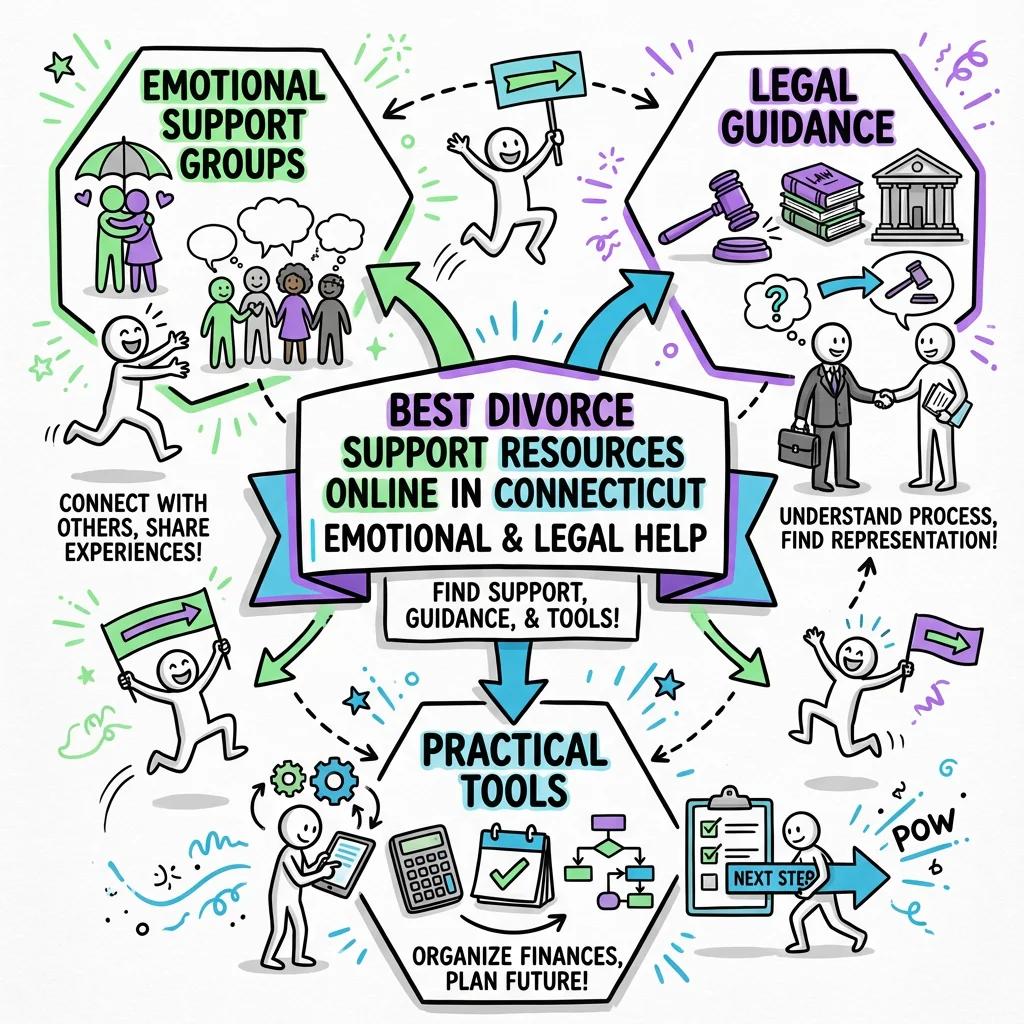
Comparison of Support Resource Types
| Resource Type | Best For | Cost | Accessibility |
|---|---|---|---|
| Online Support Groups | Emotional connection, shared experiences | Free to low-cost | 24/7, flexible scheduling |
| Professional Therapy | Deep emotional processing, mental health | Varies; some insurance coverage | Scheduled appointments |
| CT Judicial Self-Help | Legal forms, procedural information | Free | Online, anytime |
| Legal Aid Services | Income-qualified legal questions | Free for those who qualify | Limited availability |
| Lawyer Referral | Complex legal situations | Initial consultations; ongoing fees vary | Business hours |
| Digital Planning Tools | Organization, reducing overwhelm | Varies by platform | 24/7 access |
| Financial Professionals | Asset division, tax planning | Professional fees | Scheduled appointments |
Building Your Personal Support Network
Creating a Balanced Approach
The most effective divorce support strategy combines multiple resource types tailored to your specific situation. Start by identifying your most pressing needs—are you primarily struggling emotionally, confused about legal procedures, or overwhelmed by logistics? This helps you prioritize which resources to explore first.
Consider creating a support schedule that addresses different needs throughout your week. Perhaps you attend an online support group meeting on Tuesday evenings, spend Sunday afternoons organizing documents, and have a monthly check-in with a therapist. Having structure around your support activities can provide stability during an unstable time.
Don't hesitate to adjust your support network as your needs evolve. Early in the divorce process, emotional support might be your primary need. As you move toward settlement negotiations, practical and legal resources may become more important. Stay flexible and responsive to what you actually need at each stage.
Involving Trusted Friends and Family
While online resources are valuable, don't overlook the importance of in-person support from people who know and care about you. Consider identifying one or two trusted people who can serve as your "divorce support team"—people you can call when you need to talk and who can help with practical matters like accompanying you to court or watching your children during important meetings.
Be thoughtful about boundaries with your support network. Not everyone needs to know the details of your divorce, and some well-meaning friends or family members may offer advice that isn't helpful for your situation. It's okay to limit what you share and to redirect conversations when needed.
When to Seek Professional Help
While online resources and self-help tools are valuable, certain situations call for professional legal or mental health intervention. If your divorce involves domestic violence, hidden assets, complex business interests, or high conflict around custody, working with an experienced Connecticut family law attorney is essential for protecting your interests.
Similarly, if you're experiencing persistent depression, anxiety that interferes with daily functioning, or thoughts of self-harm, please reach out to a mental health professional immediately. Connecticut's crisis line can be reached by calling 988, and they can connect you with immediate support.
For most people, the right combination of online resources, community support, and professional guidance when needed creates a comprehensive network that makes the divorce process manageable. Remember that asking for help is a sign of wisdom, not weakness—and that millions of people have navigated this path before you and found their way to a fulfilling life on the other side.
If you're feeling overwhelmed by where to start, a free AI consultation can help you take that first step by breaking down the divorce process into manageable pieces and connecting you with the resources you need along the way. You don't have to figure this out alone.
Frequently Asked Questions
What free divorce resources does the Connecticut Judicial Branch offer online?
The Connecticut Judicial Branch offers a free self-help center with divorce forms, filing instructions, and guides to help unrepresented individuals navigate the divorce process.
Are there virtual divorce support groups available in Connecticut?
Yes, DivorceCare offers virtual and in-person support groups with local Connecticut chapters, and many CT therapists and coaches now provide online divorce support sessions.
How can I find a divorce lawyer through the Connecticut Bar Association?
The Connecticut Bar Association offers a lawyer referral service that connects you with qualified divorce attorneys in your area for an initial consultation.
What online tools can help me organize my Connecticut divorce paperwork?
Digital tools like Untangle help Connecticut residents organize divorce documents, track deadlines, and break down the legal process into manageable steps.
How much does online divorce coaching cost in CT?
Online divorce coaching in Connecticut typically ranges from $75 to $250 per session, though some coaches offer package deals or sliding-scale fees based on income.
Legal Citations
- • Connecticut Judicial Branch View Source
- • C.G.S. § 46b-40(c) View Source
- • C.G.S. § 46b-67 View Source
- • 211ct.org View Source