Best Divorce App for Parents in Connecticut: Tools to Protect Your Children
Find the best divorce app for parents in Connecticut. Compare co-parenting tools, custody trackers, and communication apps that protect your children's best interests.
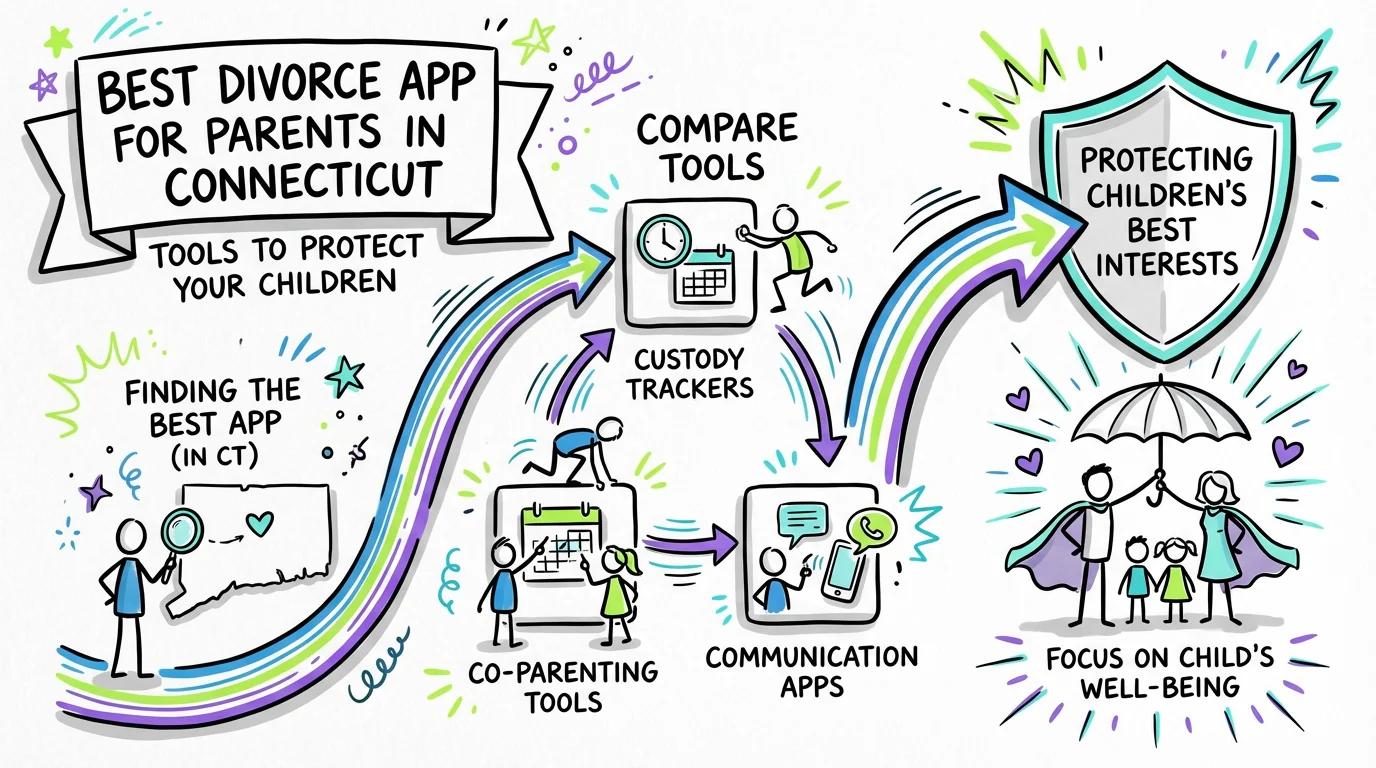
The best divorce app for parents going through a Connecticut divorce is one that helps you document parenting time, communicate effectively with your co-parent, and organize the information courts need to determine custody arrangements in your children's best interests. Apps like Untangle are specifically designed to help parents navigate divorce by tracking custody schedules, storing important documents, and providing tools that support the child-focused approach Connecticut family courts require under C.G.S. § 46b-56.
Why Parents Need Specialized Divorce Apps in Connecticut
Connecticut family courts make custody decisions based on the "best interests of the child" standard, which means judges examine multiple factors including each parent's involvement, the child's developmental needs, and the parents' ability to cooperate. Having organized records of your parenting involvement, communication history, and your children's schedules can be crucial when presenting your case. A good divorce app helps you maintain this documentation without adding stress to an already difficult situation.
Beyond documentation, the right app can reduce conflict between co-parents—something Connecticut courts specifically look for when determining custody arrangements. Under C.G.S. § 46b-56a, Connecticut courts consider joint custody arrangements that ensure "continuing contact with both parents," but they also evaluate whether parents can communicate effectively enough to make joint decisions work. Apps that facilitate structured, business-like communication can demonstrate to the court that you're committed to cooperative co-parenting.
The practical reality is that divorce with children involves managing an overwhelming amount of information: school schedules, medical appointments, extracurricular activities, exchange times, and ongoing communication with your co-parent. Parents who try to manage all of this through scattered text messages and paper calendars often find themselves disorganized when they need to present information to their attorney or the court. A centralized app solves this problem by keeping everything in one searchable, shareable location.
Key Features to Look for in a Divorce App for Parents
Custody and Parenting Time Tracking
The most essential feature for any parent-focused divorce app is the ability to track custody schedules and actual parenting time. Connecticut courts may order joint physical custody where "physical custody shall be shared by the parents in such a way as to assure the child of continuing contact with both parents" under C.G.S. § 46b-56a. This means documenting when children are with each parent isn't just helpful—it's often legally necessary.
Look for apps that allow you to log actual time spent with your children, not just the scheduled time. Courts understand that real life doesn't always match the parenting plan, and having accurate records of deviations (whether your co-parent missed their scheduled time or you accommodated extra visits) provides valuable evidence. Tools like Untangle's parenting plan builder can make it simple to log custody exchanges and note any schedule changes as they happen, ensuring your records are always up-to-date and court-ready.
The best tracking features also let you document the quality of parenting time, not just the quantity. Did you help with homework? Attend a soccer game? Take your child to a doctor's appointment? These details matter when courts evaluate parental involvement and can support your position in custody discussions or modifications.
Secure Communication Tools
Connecticut courts pay close attention to how parents communicate, especially when evaluating joint custody arrangements. Under Practice Book Rule § 25-5, automatic orders require parents living apart to "help the children maintain contact" with both parents—but the method of communication matters. Apps that provide a dedicated, documented communication channel help you maintain a professional tone and create a record of all exchanges.
Effective co-parent communication features should include message timestamps, the ability to save or export conversations, and perhaps most importantly, a structure that encourages brief, child-focused messages rather than emotional arguments. Some apps even offer "tone check" features that flag potentially inflammatory language before you send it. This kind of guardrail can prevent the escalating conflicts that damage custody cases.
Document Organization and Storage
Divorce cases generate enormous amounts of paperwork, and cases involving children generate even more. You'll need to track financial documents for child support calculations, school records, medical records, and potentially reports from custody evaluators or guardians ad litem.
To keep track of all these various records – school reports, medical appointments, and extracurricular activities – and present them clearly, consider how tools like Untangle's children's information management can centralize everything for easy access. Beyond organization, accurately estimating financial obligations is key. Tools like Untangle's child support calculator can provide a reliable estimate based on Connecticut's official guidelines, helping you prepare for these discussions.
Connecticut law requires courts to consider each parent's "fitness to have physical custody" under C.G.S. § 46b-66, which often means gathering documentation about your parenting involvement, your home environment, and your children's needs. Having a system that allows you to upload and categorize documents—report cards, medical records, photos of your children's living space—ensures you're prepared when your attorney needs information quickly.
Comparing Divorce Apps for Connecticut Parents
| Feature | General Co-Parenting Apps | Untangle | Paper/Spreadsheet System |
|---|---|---|---|
| Custody Schedule Tracking | Yes | Yes | Manual effort required |
| Communication Logging | Limited | Comprehensive | Scattered across platforms |
| Document Storage | Varies | Secure, organized | Risk of loss/disorganization |
| Connecticut-Specific Guidance | No | Yes | No |
| Court-Ready Reports | Some | Yes | Requires manual compilation |
| Attorney Sharing | Limited | Built-in | Email/physical copies |
| Cost | $10-30/month | Varies | Free but time-intensive |
| Learning Curve | Moderate | Low | N/A |
How the Right App Supports Connecticut's Legal Requirements
Creating a Parental Responsibility Plan
Connecticut law under C.G.S. § 46b-56a requires parents seeking joint custody to file a "parental responsibility plan" that addresses decision-making authority, residential schedules, and dispute resolution procedures. A good divorce app can help you draft and track the elements of this plan, ensuring nothing falls through the cracks.
The parental responsibility plan must cover major decisions about education, healthcare, and religious upbringing, as well as the day-to-day schedule of where children will live. Using an app to track your current arrangement—even before the divorce is finalized—provides data that can inform a realistic, workable plan. If you've been logging that Wednesday evening dinners and alternating weekends work well for your family, you have evidence to support proposing that schedule permanently.
To streamline this process and ensure your plan is comprehensive, tools like Untangle's parenting plan builder can help you organize the components of a parental responsibility plan, track what's working in your current arrangement, and identify areas that may need adjustment. This preparation can make mediation sessions more productive and help you present a well-thought-out proposal to the court.
Documenting Best Interests Factors
Connecticut courts evaluate custody based on numerous factors to determine the child's best interests. These include the child's developmental needs, each parent's ability to meet those needs, the stability of each proposed living situation, and the child's relationships with siblings and other family members. Apps that help you document these factors systematically can strengthen your custody position.
Consider keeping a log of your involvement in your children's daily lives: meals prepared, bedtime routines, help with schoolwork, attendance at activities, and coordination of medical care. While this might feel awkward initially, it provides concrete evidence of your parental involvement that goes beyond simply asserting you're a good parent. Courts respond to specific, documented evidence more than general claims.
The automatic orders in Connecticut divorce cases (Practice Book Rule § 25-5) also prohibit permanently removing children from the state without consent or court order. If you have concerns about your co-parent potentially relocating with the children, an app that tracks their location during custody exchanges or logs any concerning statements can provide important documentation.
Try our free CT child support calculator
Calculate your estimated child support using Connecticut's official guidelines formula.
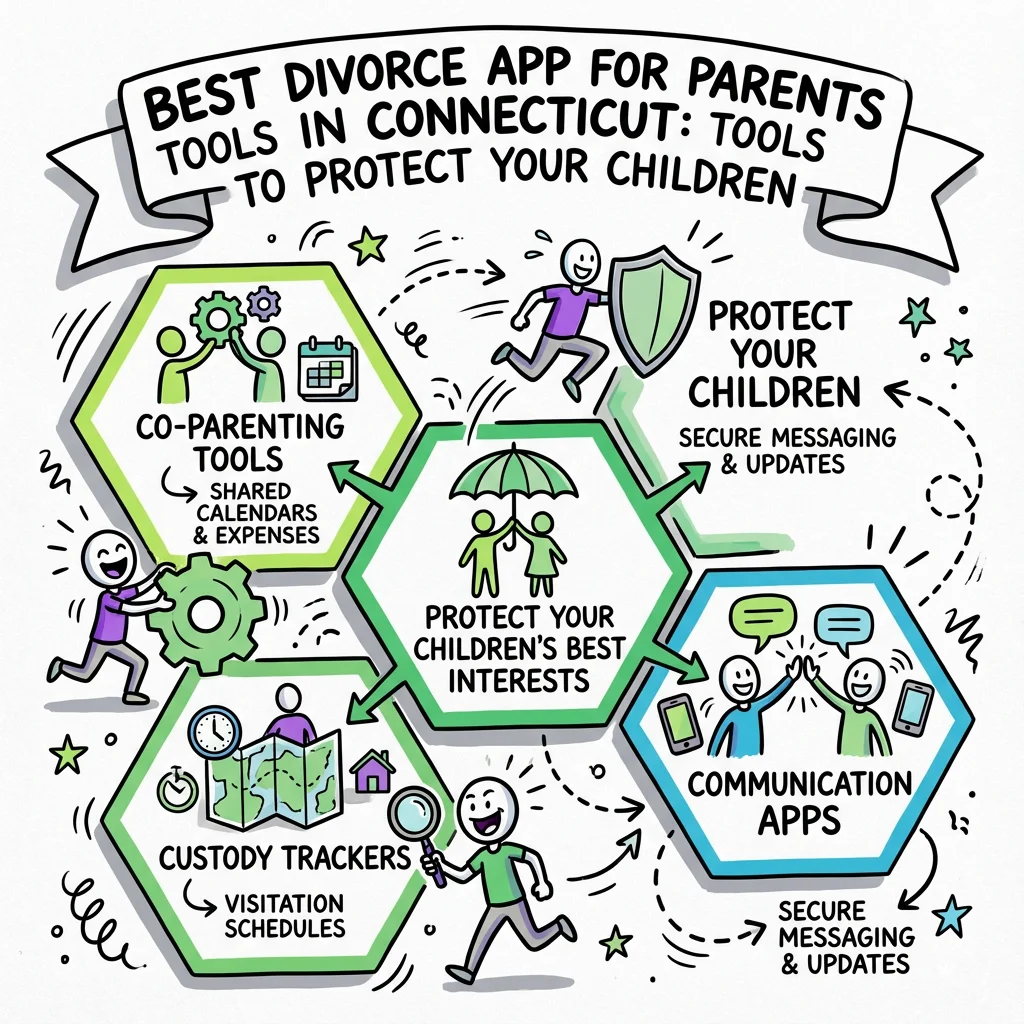
Steps to Choose and Implement a Divorce App
- Assess your primary needs - Are you most concerned about tracking parenting time, reducing communication conflict, or organizing documents? Different apps excel in different areas, though comprehensive options like Untangle address all three.
- Consider your co-parent's cooperation level - Some apps work best when both parents participate. If your co-parent is unlikely to engage with an app, choose one that still provides value for single-user documentation.
- Check for attorney compatibility - Ask your attorney if they have experience with specific apps and whether they can easily access shared documents or reports.
- Start using it immediately - Don't wait for your divorce to be filed. The earlier you begin documenting, the more complete your records will be. Connecticut's automatic orders take effect upon service of the complaint, so having organized records from the start is valuable.
- Be consistent - The value of any documentation system comes from consistent use. Set a daily reminder to log important events, communications, and schedule changes. Even five minutes of daily logging creates powerful evidence over time.
- Review your data periodically - Use the app's reporting features to review patterns. Are there recurring schedule conflicts? Communication breakdowns? This information helps you and your attorney develop strategies for mediation or court.
Understanding Connecticut's Required Parenting Education Program
Connecticut requires parents in divorce cases to complete a parenting education program under C.G.S. § 46b-69b. This court-mandated course focuses on "the impact on children of the restructuring of families" and covers topics like helping children adjust to new living arrangements and maintaining healthy co-parent relationships. While a divorce app doesn't replace this required course, it can help you implement what you learn.
The parenting education program emphasizes putting children's needs first and reducing conflict between parents—exactly what a good divorce app facilitates. Many parents find that the combination of educational content from the required course and practical tools from an app like Untangle creates a comprehensive approach to child-focused divorce. To further demonstrate your commitment to these educational requirements and the court's expectations, Untangle's parent education tracking can assist in documenting your completion and understanding of these crucial programs.
When to Seek Additional Help Beyond Apps
While divorce apps are powerful tools for organization and documentation, they don't replace professional guidance in complex situations. You should consult with a family law attorney if you're facing contested custody, allegations of abuse or neglect, or a co-parent who's violating court orders. Connecticut offers mediation services under C.G.S. § 46b-53a for disputes about "child custody and visitation issues," and your attorney can advise whether mediation might resolve your conflicts more efficiently than litigation.
If your case involves modification of existing custody orders, you'll also need legal guidance. Under Practice Book Rule § 25-26, either parent can seek modification of custody or visitation orders, but you'll need to demonstrate a substantial change in circumstances. The documentation you've collected through your divorce app can provide the evidence needed to support a modification request—but an attorney can help you understand whether your situation meets the legal threshold.
Apps like Untangle are most valuable as part of a comprehensive approach to divorce that includes legal representation when needed, emotional support for you and your children, and practical tools for day-to-day management. By staying organized and focused on your children's wellbeing, you put yourself in the strongest position to achieve custody arrangements that truly serve their best interests.
Frequently Asked Questions
What features should I look for in a co-parenting app during a Connecticut divorce?
Look for custody scheduling, expense tracking, secure messaging with your co-parent, document storage, and the ability to export records that Connecticut family courts can review when making custody decisions.
Can co-parenting app records be used as evidence in CT custody cases?
Yes, communication logs, custody schedules, and expense records from co-parenting apps can be presented as evidence in Connecticut family court to demonstrate your parenting involvement and cooperation.
How much do divorce apps for parents typically cost?
Most co-parenting and divorce apps range from free basic versions to premium subscriptions costing $10-$25 per month, with some offering family plans where both parents share access.
Do both parents need to use the same co-parenting app in Connecticut?
While not legally required, using the same app allows both parents to share custody schedules and communicate through a documented platform, which Connecticut courts view favorably when evaluating cooperative co-parenting.
What's the best app for tracking shared parenting expenses during a CT divorce?
Apps like Untangle, OurFamilyWizard, and Cozi allow parents to log and categorize child-related expenses, making it easier to split costs fairly and provide documentation if expense disputes arise in Connecticut family court.
Legal Citations
- • C.G.S. § 46b-56 - Orders re custody, care, education, visitation and support of children View Source
- • C.G.S. § 46b-56a - Joint custody. Definition. Presumption. Parental responsibility plan View Source
- • C.G.S. § 46b-66 - Review of final agreement; incorporation into decree View Source
- • C.G.S. § 46b-69b - Parenting education program View Source
- • C.G.S. § 46b-53a - Mediation program for persons filing for dissolution of marriage View Source
- • Practice Book Rule § 25-5 - Automatic Orders upon Service of Complaint or Application View Source
- • Practice Book Rule § 25-26 - Modification of Custody, Alimony or Support View Source