Best Divorce App for Parents in Connecticut: Tools to Protect Your Children
Find the best divorce app for Connecticut parents. Compare co-parenting tools, custody planners, and divorce calculators designed to protect your children's interests.
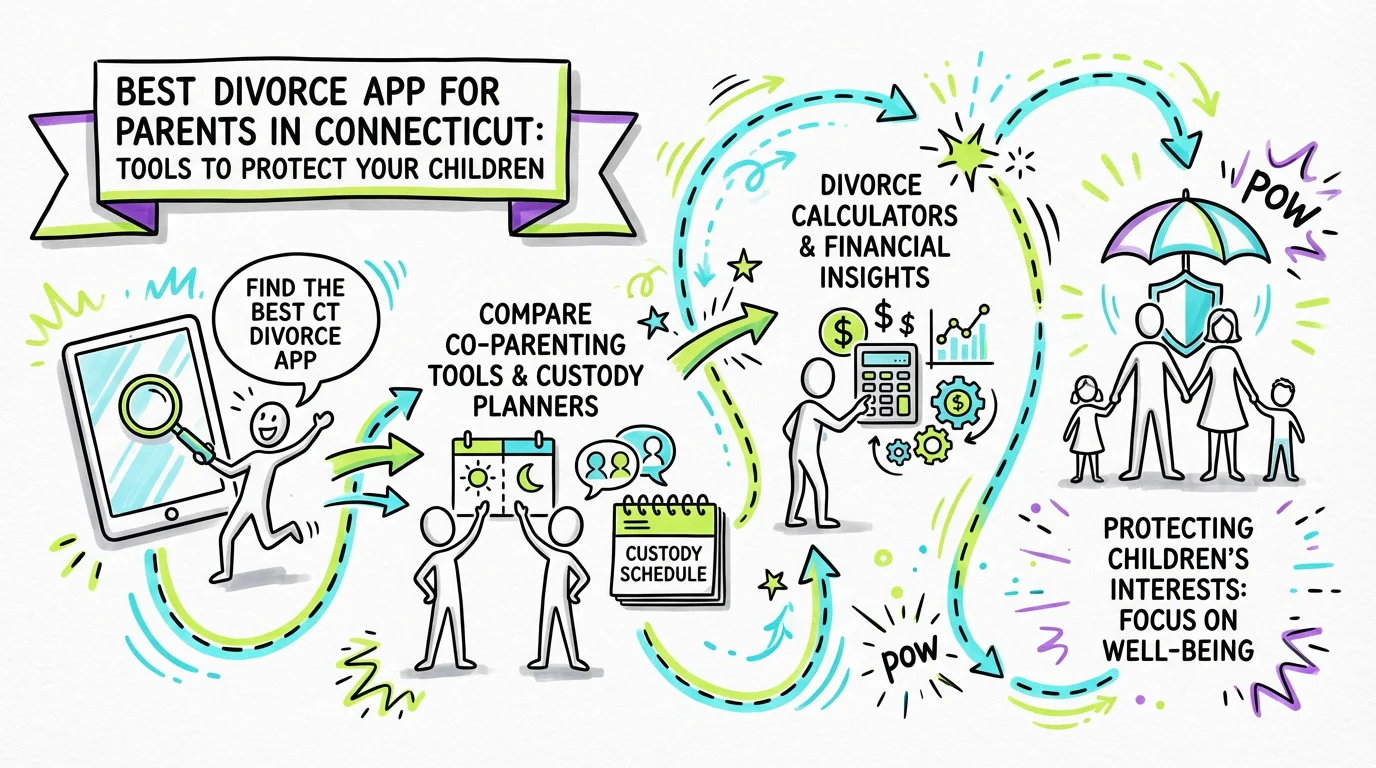
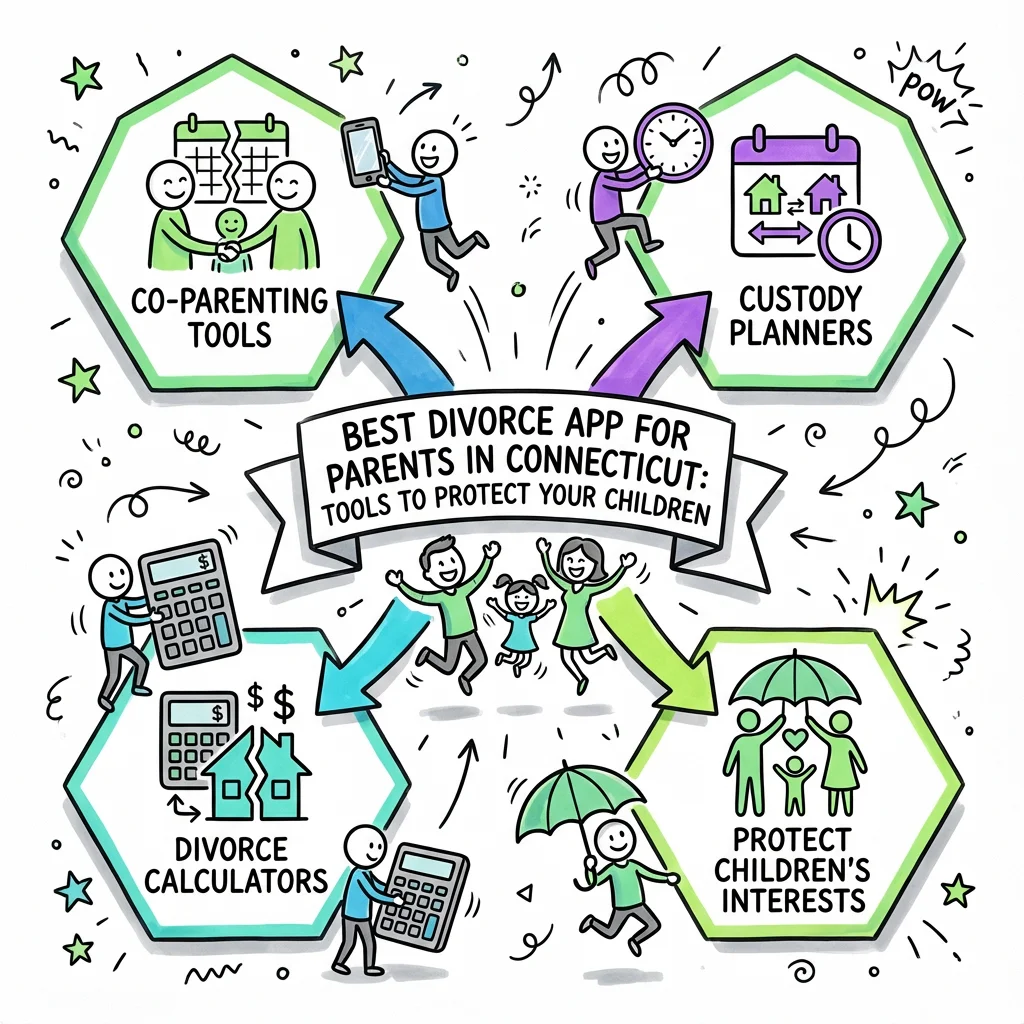
The best divorce app for parents in Connecticut helps you create a child-focused parenting plan, calculate support accurately under CT guidelines, and organize the documentation you'll need to protect your children's interests in court. Untangle stands out as a comprehensive option specifically designed for Connecticut divorce, combining AI-powered guidance with state-specific calculations for child support and custody planning—all while keeping your children's wellbeing at the center of every decision.
Why Connecticut Parents Need Specialized Divorce Tools
Going through a divorce when children are involved adds layers of complexity that generic legal apps simply can't address. Connecticut courts prioritize the best interests of the child in all custody decisions as outlined in C.G.S. § 46b-56. This statute mandates that judges consider the developmental needs of the child and the capacity of parents to understand and meet those needs, which means you need tools that help you think through parenting time, decision-making authority, and financial support in ways that demonstrate your commitment.
Connecticut's approach to custody—using the terms "legal custody" and "physical custody"—requires parents to understand the difference between who makes major decisions about a child's life and where the child actually lives. A quality divorce app helps you navigate these distinctions while building a parenting plan that courts will take seriously. The state doesn't have a presumption favoring either parent, so demonstrating that you've thoughtfully considered your children's needs can make a significant difference in outcomes.
Beyond just legal requirements, the right app helps you manage the emotional complexity of divorcing when kids are involved. Features like communication logs, expense tracking, and schedule coordination reduce conflict with your co-parent while creating documentation that protects both you and your children.
Essential Features for Connecticut Parent Divorce Apps
Child Support Calculation Tools
Connecticut uses specific statutory guidelines to calculate child support based on both parents' net weekly income, consistent with C.G.S. § 46b-84. The guidelines follow a formula that considers the combined parental income, the number of children, and various deductions including taxes, union dues, and existing support obligations. An effective divorce app should calculate these figures accurately so you understand what to expect before court proceedings begin.
The best apps also account for Connecticut's treatment of additional expenses beyond basic support as detailed in the Connecticut Child Support and Arrearage Guidelines. Childcare costs necessary for employment, unreimbursed medical expenses, and educational costs can all be factored into support orders. Untangle's child support calculator walks you through each component of the Connecticut guidelines, helping you gather the right income documentation and understand how different scenarios might affect your support obligations or entitlements.
Understanding your potential child support numbers early in the process helps you make informed decisions about settlement negotiations. Rather than being surprised by court calculations, you can approach discussions with realistic expectations and focus your energy on the custody arrangements that matter most for your children's daily lives.
Parenting Plan Development
A comprehensive parenting plan addresses far more than just which days your children spend with each parent. Connecticut courts expect plans to cover legal custody (who makes decisions about education, healthcare, and religious upbringing), physical custody schedules including holidays and vacations, communication protocols between households, and procedures for resolving future disagreements.
Quality divorce apps provide templates and guidance for creating plans that address Connecticut-specific requirements. This includes considering how to handle school schedules, extracurricular activities, and the logistics of exchanges. The goal is creating a plan detailed enough to prevent future conflicts while remaining flexible enough to adapt as children grow.
Untangle's parenting plan builder guides you through each element courts expect to see, asking questions that help you think through scenarios you might not have considered. From handling sick days to managing transportation for activities, thorough planning now reduces conflict later.
Documentation and Communication Tracking
In contested custody situations, documentation becomes crucial. Courts want to see evidence of parental involvement, stability, and the ability to co-parent cooperatively. Apps that help you track communications with your co-parent, log parenting time, and document expenses create a record you can reference if disputes arise.
This documentation serves multiple purposes. It helps you stay organized during what can be an overwhelming process, provides evidence if you need to demonstrate patterns of behavior, and encourages more thoughtful communication knowing there's a record. Many parents find that simply having a documentation system improves their co-parenting interactions.
The key is finding an app that makes documentation easy rather than burdensome. You're already managing the stress of divorce while trying to maintain normalcy for your children. Tools like Untangle's expense tracking with AI can help streamline this process, ensuring all financial details are accurately recorded and easily accessible, freeing you to focus on your children.
Comparing Divorce App Options for Connecticut Parents
| Feature | Untangle | Generic Co-Parenting Apps | Basic Calculator Apps |
|---|---|---|---|
| CT-Specific Child Support | ✓ Full guidelines | Limited | Basic only |
| Parenting Plan Templates | ✓ CT-focused | Generic templates | Not available |
| AI Legal Guidance | ✓ CT divorce law | Not available | Not available |
| Communication Tools | ✓ Integrated | ✓ Primary focus | Not available |
| Expense Tracking | ✓ Included | ✓ Available | Not available |
| Asset/Debt Division | ✓ Full features | Not available | Not available |
| Court Form Guidance | ✓ CT forms | Not available | Not available |
| Cost | Affordable | $100-200/year | Free (limited) |
When evaluating apps, Connecticut parents should prioritize those that understand state-specific requirements. Generic co-parenting apps excel at communication and scheduling but often lack the legal guidance needed for divorce proceedings. Basic calculator apps might estimate support but miss important factors that affect your specific situation.
Step-by-Step: Using Apps to Protect Your Children in CT Divorce
-
Gather Financial Documentation First - Before calculating anything, collect pay stubs, tax returns, and records of child-related expenses. Connecticut courts require accurate income verification via the Financial Affidavit JD-FM-6, and having organized records demonstrates your preparation and credibility.
-
Run Child Support Scenarios - Use your divorce app calculator to understand how different custody arrangements affect support. This isn't about gaming the system—it's about understanding the financial implications of various parenting schedules so you can make informed decisions.
-
Draft Your Ideal Parenting Schedule - Start with what's best for your children, not what's convenient for you. Consider their school schedule, activities, friendships in each neighborhood, and need for stability. Document your reasoning—courts appreciate parents who clearly prioritize children's needs.
-
Build Out Decision-Making Provisions - Determine which decisions you can make jointly and which might require sole authority due to your co-parent's involvement level or ability to communicate. Be specific about education choices, medical decisions, religious upbringing, and extracurricular activities.
-
Establish Communication Protocols - Set up app-based communication with your co-parent from the beginning. This creates a record while reducing the emotional intensity of direct contact during a difficult time.
-
Create Holiday and Vacation Schedules - Address major holidays, school breaks, and summer vacation before they become conflict points. Connecticut courts expect detailed holiday provisions, and having them ready shows you've thought through the entire year.
-
Document Everything Moving Forward - From this point on, use your app to track all parenting time, expenses, and communications. Consistent documentation protects you and provides evidence of your active parenting involvement.
Try our free CT child support calculator
Calculate your estimated child support using Connecticut's official guidelines formula.
What Connecticut Courts Look for in Custody Decisions
Connecticut judges consider numerous factors when determining custody arrangements, all centered on the child's best interests. These include:
- Each parent's ability to meet the child's physical, emotional, and developmental needs
- The child's current relationships and community connections
- Each parent's willingness to support the child's relationship with the other parent
- The child's own preferences, if they're mature enough to express them
Documentation from divorce apps can support your case by showing consistent involvement in your children's lives, cooperative communication attempts with your co-parent, and thoughtful consideration of your children's needs. Judges notice parents who approach custody with their children's interests genuinely first—not as a legal strategy, but as a clear priority reflected in their preparation and proposals.
Apps that help you prepare thorough, well-organized parenting plans signal to the court that you've approached this process seriously. Quality legal guidance tools help ensure you address all the elements Connecticut courts expect while helping you articulate why your proposals serve your children's best interests.
Cost Considerations for Divorce Apps
Most Connecticut parents find that investing in quality divorce tools saves money compared to the alternative of extended attorney consultations for basic questions. While complex custody disputes may still require legal representation, having accurate calculations and organized documentation reduces the time attorneys spend on preparation—and time is money in legal fees.
| Resource Type | Typical Cost | What You Get |
|---|---|---|
| Family Law Attorney | $250-400/hour | Full representation |
| Limited Scope Attorney | $150-300/hour | Specific task help |
| Divorce App (Untangle) | Affordable subscription | Self-guided tools + calculations |
| Basic Co-Parenting App | $10-20/month | Communication + scheduling |
| Court Self-Help Center | Free | Basic forms + general guidance |
The most cost-effective approach for many Connecticut parents combines quality app tools with limited attorney consultation for specific questions. You handle routine calculations, documentation, and plan drafting yourself, then pay for professional review of your final documents or guidance on complex legal questions.
When Apps Aren't Enough: Getting Professional Help
While divorce apps provide valuable support for many Connecticut parents, some situations require professional legal assistance. If your co-parent has hired an attorney, you should strongly consider doing the same—representing yourself against experienced legal counsel puts you at a significant disadvantage in protecting your children's interests.
Other situations warranting professional help include allegations of abuse or domestic violence, significant disputes over custody that can't be resolved through negotiation, complex financial situations involving businesses or substantial assets, and cases where one parent wants to relocate out of state. In these circumstances, apps serve as supplements to professional representation rather than replacements.
Even when working with an attorney, using management tools helps you stay informed and prepared. You'll attend meetings with your lawyer already understanding the basics, able to ask informed questions and make decisions confidently. This collaboration between technology and professional guidance often produces the best outcomes for Connecticut families navigating divorce while keeping their children protected.
Frequently Asked Questions
What co-parenting apps do Connecticut divorce attorneys recommend?
CT divorce attorneys commonly recommend apps like Untangle, OurFamilyWizard, and Talking Parents that provide communication logging, expense tracking, and schedule coordination features that can serve as court-admissible documentation.
How do I calculate child support in Connecticut using an app?
You can use divorce apps like Untangle that have built-in Connecticut child support calculators based on CT's income shares model, which factors in both parents' incomes, parenting time, and childcare expenses to estimate support amounts.
Are there apps that help with Connecticut custody arrangements?
Yes, several apps help CT parents create custody arrangements by offering parenting plan templates, shared calendars for parenting time schedules, and tools to document legal custody (decision-making) and physical custody (where the child lives) arrangements.
Can I use an app for Connecticut divorce mediation?
While apps cannot replace a certified mediator, tools like Untangle can help you prepare for Connecticut divorce mediation by organizing financial documents, drafting parenting plan proposals, and clarifying your priorities before sessions.
What digital tools do I need to organize my CT divorce with kids?
Connecticut parents going through divorce should use apps that combine document organization, communication logging with your co-parent, expense tracking, parenting schedule coordination, and state-specific child support calculations in one platform.
Legal Citations
- • C.G.S. § 46b-56 View Source
- • C.G.S. § 46b-84 View Source
- • Connecticut Child Support and Arrearage Guidelines View Source
- • Financial Affidavit JD-FM-6 View Source