Best Co-Parenting Apps After Divorce in Connecticut | Tools for Effective Communication
Discover the best co-parenting apps for Connecticut divorced parents. Compare features, costs, and benefits of top apps that support custody schedules and communication.
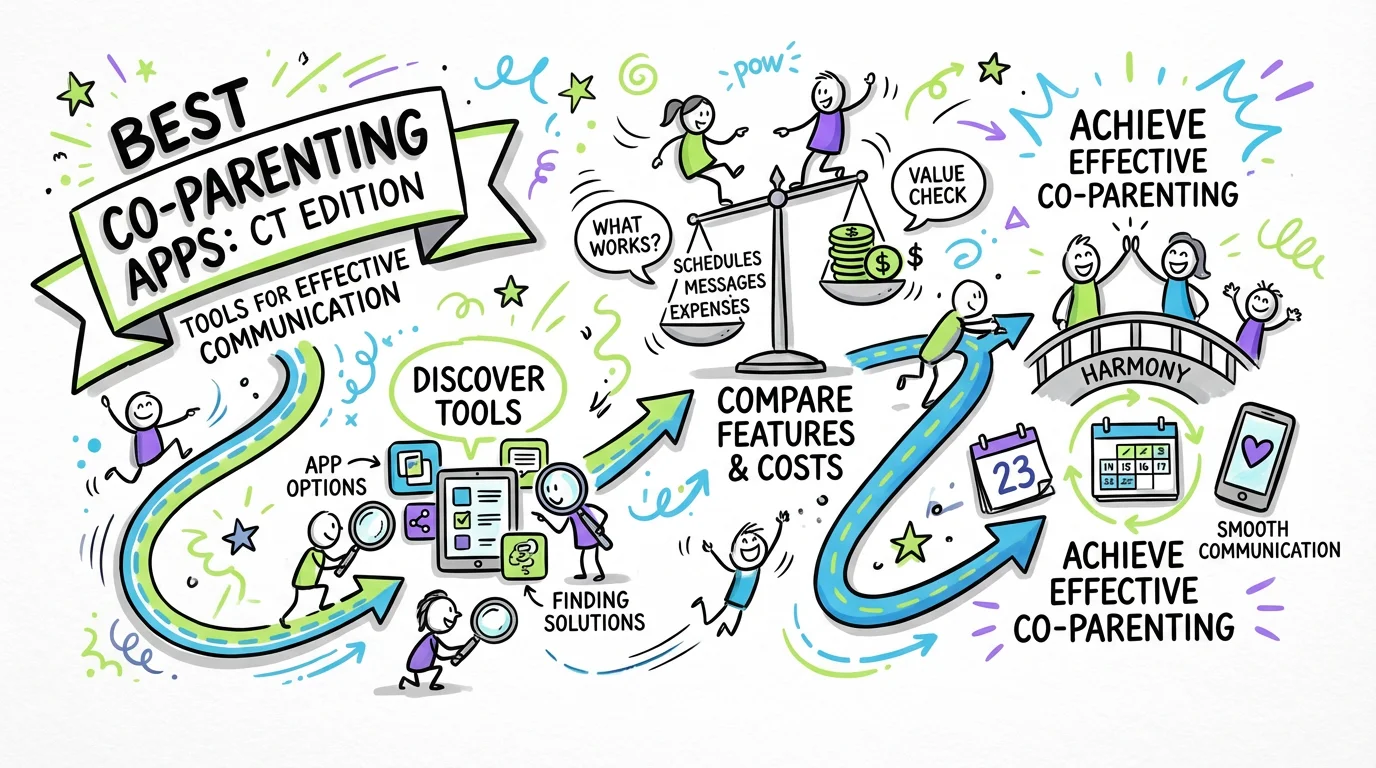
The best co-parenting apps after divorce include OurFamilyWizard, Talking Parents, AppClose, and Cozi, each offering different features to help Connecticut parents manage custody schedules, track expenses, and communicate effectively. The right app for your family depends on your specific needs—whether you require court-admissible communication records, shared expense tracking, or simply a neutral platform to coordinate your children's activities without direct conflict.
Why Co-Parenting Apps Matter for Connecticut Families
Effective co-parenting communication is essential for your children's emotional wellbeing and for maintaining compliance with Connecticut's "best interests of the child" standard. Under C.G.S. § 46b-56, the court evaluates the capacity of each parent to foster a relationship with the other parent. When direct communication fails due to high conflict or logistics, technology acts as a neutral buffer that helps parents fulfill this statutory obligation.
Connecticut family courts increasingly recognize the value of structured communication platforms. Judges and Family Relations Counselors often recommend specific apps when parents demonstrate difficulty communicating effectively. These apps create accountability by documenting all interactions, which serves as vital evidence if disputes arise regarding the implementation of a parenting plan or adherence to court orders.
Beyond conflict reduction, co-parenting apps help protective parents ensure nothing falls through the cracks regarding their children's needs. From tracking medical appointments to coordinating school pickups, these tools centralize the information that both parents need to provide consistent, stable care. Tools like Untangle's parenting plan builder can help you evaluate which communication strategies work best for your situation before you even finalize your orders.
Top Co-Parenting Apps Compared
OurFamilyWizard
OurFamilyWizard is often considered the gold standard for high-conflict co-parenting situations. It offers a comprehensive suite of tools including a shared calendar, expense log with receipt uploads, secure messaging, and a unique "ToneMeter" feature that flags potentially inflammatory language before you send it. The platform is specifically designed to be court-admissible, and many Connecticut family law attorneys recommend it when documentation is necessary for custody modifications.
The app's expense tracking feature is particularly valuable for Connecticut parents who need to split costs for extracurricular activities, medical expenses, or educational needs. You can log expenses, attach receipts, and request reimbursement all within the platform—creating a clear paper trail that eliminates "he said, she said" disputes about money.
Talking Parents
Talking Parents focuses primarily on communication documentation, making it an excellent choice for parents who need court-admissible records of every interaction. The app timestamps all messages and prevents editing or deletion, ensuring that neither parent can alter the conversation history. This level of accountability encourages respectful communication and provides protection if you ever need to demonstrate a pattern of behavior in court.
The free version of Talking Parents includes unlimited messaging and basic features, making it accessible for parents on tight post-divorce budgets. The premium tier adds features like document storage and priority customer support. For protective parents concerned about maintaining accurate records, this app's unalterable message archive offers significant peace of mind.
AppClose
AppClose distinguishes itself with a user-friendly interface and a focus on practical co-parenting logistics rather than conflict documentation. It includes shared calendars, expense tracking, location sharing during custody exchanges, and photo sharing. The app takes a more collaborative approach, assuming parents want to work together rather than protect themselves from each other.
For Connecticut families with lower conflict levels, AppClose provides the organizational tools needed without the heavy emphasis on documentation and legal admissibility. The expense splitting feature helps parents track and divide costs fairly, which aligns well with Connecticut's guidelines for shared child-related expenses.
Cozi
Cozi is a general family organization app that many co-parents adapt for their needs. While not specifically designed for divorced families, its shared calendars, shopping lists, and to-do lists work well for parents who communicate reasonably well and simply need a central hub for logistics. It's free to use with optional premium features.
The main limitation of Cozi for divorced parents is that it wasn't built with legal documentation in mind. Messages and changes aren't timestamped or preserved in a court-admissible format. However, for amicable co-parenting situations, its simplicity and zero cost make it an attractive option.
Feature Comparison Table
| Feature | OurFamilyWizard | Talking Parents | AppClose | Cozi |
|---|---|---|---|---|
| Shared Calendar | ✓ | ✓ | ✓ | ✓ |
| Secure Messaging | ✓ | ✓ | ✓ | Limited |
| Expense Tracking | ✓ | Limited | ✓ | ✗ |
| Court-Admissible Records | ✓ | ✓ | ✗ | ✗ |
| Message Editing Blocked | ✓ | ✓ | ✗ | ✗ |
| ToneMeter/Conflict Tools | ✓ | ✗ | ✗ | ✗ |
| Location Sharing | ✗ | ✗ | ✓ | ✗ |
| Free Version Available | Limited Trial | ✓ | ✓ | ✓ |
| Monthly Cost (Full Features) | ~$15/month | ~$10/month | Free | Free |
Choosing the Right App for Your Situation
High-Conflict Situations
If you're dealing with a difficult co-parent, controlling behavior, or ongoing disputes, invest in an app with robust documentation features. OurFamilyWizard or Talking Parents provide the accountability and legal admissibility you may need. The ToneMeter feature in OurFamilyWizard can be particularly helpful—it catches inflammatory language before you send it, helping you maintain the high road even when frustrated.
Consider that Connecticut courts take communication patterns seriously when evaluating custody modifications under C.G.S. § 46b-56a, which governs joint custody arrangements. Having documented evidence of your consistent, respectful communication—and any problematic patterns from your co-parent—could prove invaluable. Tools like Untangle's AI legal guidance can help you identify patterns and prepare for conversations with your attorney about what's working and what isn't.
Moderate Conflict or Cooperative Co-Parenting
For parents who generally work well together but need organizational help, AppClose or even Cozi may suffice. These apps reduce the friction of coordinating two households without the overhead of legal-grade documentation. The shared calendars and expense tracking help ensure both parents stay informed and involved.
That said, consider starting with more robust documentation even if things seem amicable now. Circumstances can change—new partners, relocation requests, or financial disputes can escalate conflict unexpectedly. Having established communication patterns on a documented platform provides protection if you need it later.
Budget Considerations
Post-divorce finances are often tight, and app costs add up. Talking Parents offers the best balance of documentation features and affordability with its free basic tier. If cost is a primary concern, start there and upgrade only if you need additional features. Remember that the cost of poor documentation—additional attorney fees, court time, or lost custody disputes—far exceeds any app subscription.
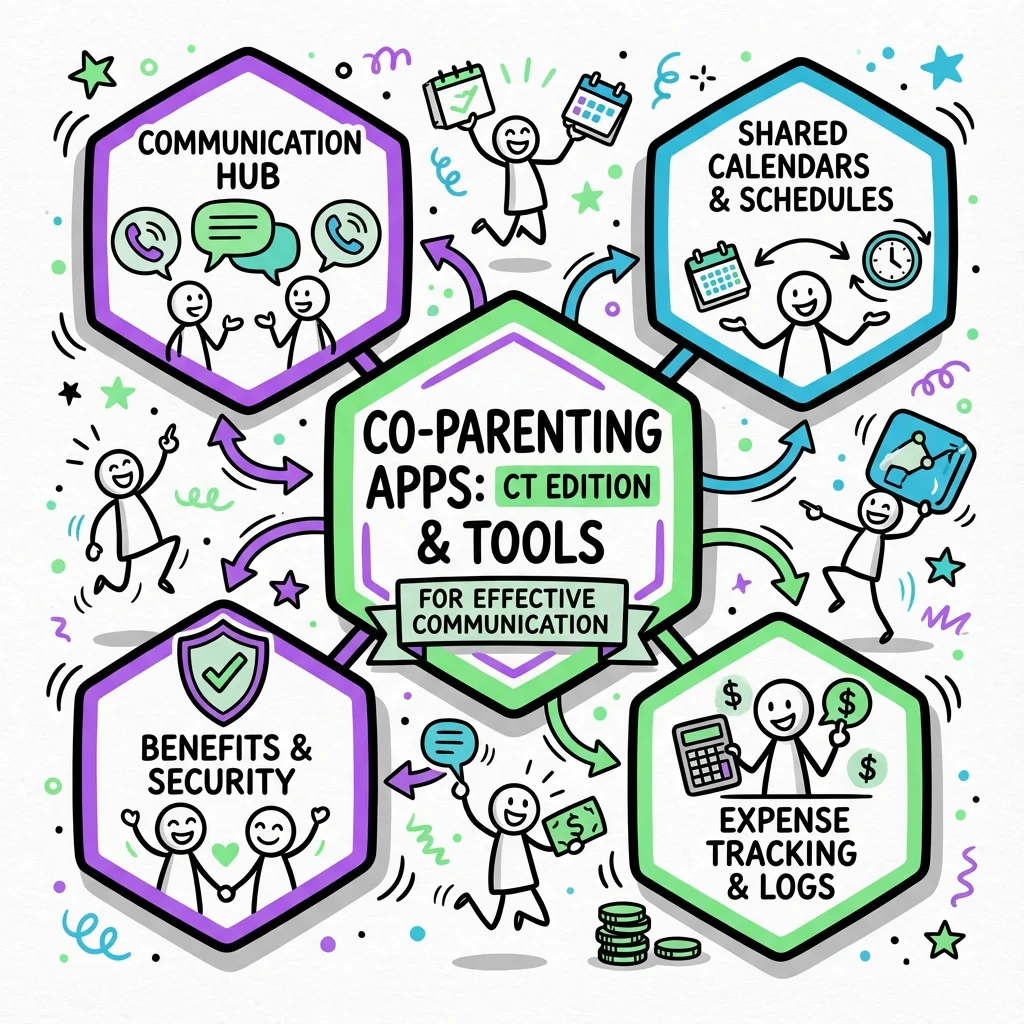
Implementing Co-Parenting Apps Effectively
-
Include App Requirements in Your Parenting Plan - When drafting or modifying your Connecticut parenting plan, specify which app you'll use and require both parents to use it. This makes app-based communication enforceable rather than optional.
-
Establish Clear Communication Guidelines - Agree on response time expectations (e.g., within 24 hours for non-urgent matters), what topics belong in the app versus email or phone, and how to handle emergencies.
-
Use the App Consistently - The documentation is only valuable if you use the platform for all co-parenting communication. Switching between text messages, emails, and the app creates gaps in your record and confusion about where important information lives.
-
Take Advantage of All Features - Many parents use only the messaging feature, missing valuable tools like expense tracking, document storage, and schedule change requests. Explore your app's full capabilities to maximize its value.
-
Review Periodically - Use Untangle's case management features to periodically assess whether your communication system is working. If conflict patterns emerge or features are missing, consider switching apps or requesting modifications to your communication requirements.
What Connecticut Courts Expect
Connecticut family courts prioritize the best interests of children, and effective co-parent communication directly serves that standard. Judges look favorably on parents who demonstrate willingness to communicate respectfully and cooperate on parenting matters. Using a co-parenting app signals to the court that you take communication seriously and are willing to invest in tools that support your children's wellbeing.
If a Guardian Ad Litem (GAL) or counsel for the minor child is appointed under C.G.S. § 46b-54, they may request access to your co-parenting app records to evaluate the dynamic between parents. If your co-parent refuses to use an agreed-upon app or consistently fails to respond, document this pattern. Connecticut courts can modify parenting orders to require specific communication methods, and demonstrated non-cooperation can factor into custody decisions.
When to Seek Additional Help
While co-parenting apps are valuable tools, they can't solve every communication challenge. If you're experiencing harassment through the app, documentation of threats or concerning behavior, or consistent failure to follow the parenting plan, it's time to involve your attorney. The records you've accumulated in your co-parenting app will provide valuable evidence for any necessary legal action.
Consider working with a family therapist or co-parenting coordinator if you're struggling to establish healthy communication patterns. Many Connecticut families benefit from professional guidance in addition to technological tools. Tools like Untangle's AI-assisted mediation can help you explore solutions and identify when professional support might benefit your family.
Remember that the ultimate goal isn't just to document problems—it's to create a stable, consistent environment for your children. The best co-parenting app is one that helps you and your co-parent work together effectively, reducing conflict and ensuring your children feel supported in both homes.
Frequently Asked Questions
Do Connecticut family courts require specific co-parenting apps?
Connecticut family courts don't mandate specific apps, but judges may order the use of court-approved communication platforms like OurFamilyWizard or TalkingParents when parents demonstrate difficulty communicating effectively.
What is the best free co-parenting app for divorced parents?
AppClose and Cozi offer free versions with basic features like shared calendars and messaging, though paid apps like OurFamilyWizard provide more robust documentation features that may be worth the investment for high-conflict situations.
Which co-parenting apps track shared expenses after divorce?
OurFamilyWizard, TalkingParents, and AppClose all include expense tracking features that allow parents to log costs, upload receipts, and request reimbursement for shared child-related expenses like medical bills and extracurricular activities.
Are co-parenting app messages admissible in CT family court?
Yes, messages from court-approved co-parenting apps like OurFamilyWizard and TalkingParents are generally admissible in Connecticut family court because they create timestamped, uneditable records of all parent communications.
What's the difference between OurFamilyWizard and TalkingParents?
OurFamilyWizard offers more comprehensive features including expense tracking and a ToneMeter tool but requires a subscription, while TalkingParents provides free basic messaging with court-admissible records and charges only for premium features like printing documentation.
Legal Citations
- • C.G.S. § 46b-56 - Best interests of the child standard in custody determinations View Source
- • C.G.S. § 46b-56a - Joint custody and parenting plan requirements View Source
- • C.G.S. § 46b-54 - Appointment of counsel for minor children View Source